Best Language Learning Apps: Complete Guide
Learning a new language is easier when you have the right tools and a routine you can actually maintain. The best language learning apps combine short lessons, vocabulary practice, listening exercises, pronunciation work, and opportunities to use the language in realistic situations. There is no single app that is perfect for everyone. A beginner may want simple, game-like lessons, while someone preparing for travel may care more about speaking and listening. Others may prefer structured courses, immersion, or AI conversation practice. This guide compares some of the most useful language learning apps and explains what each one is best suited for.
What Are the Best Language Learning Apps?
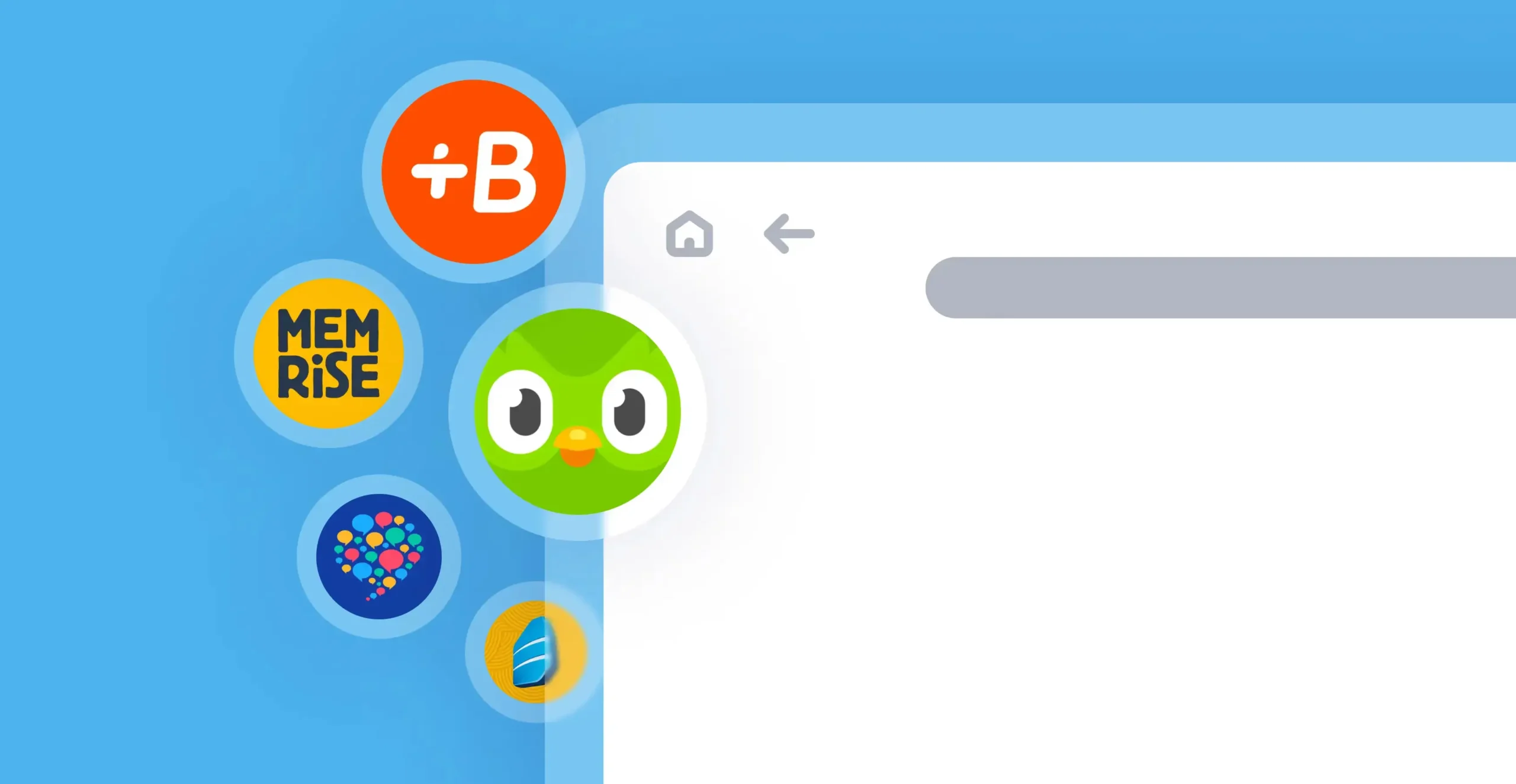
Some of the leading options include Duolingo, Babbel, Busuu, Pimsleur, Rosetta Stone, and Speak.
Each takes a different approach:
| App | Best suited for | Main approach |
|---|---|---|
| Duolingo | Beginners and habit building | Short, game-like lessons |
| Babbel | Structured learning | Guided lessons and real-life conversations |
| Busuu | Balanced language skills | Structured courses and community feedback |
| Pimsleur | Speaking and listening | Audio-first conversational practice |
| Rosetta Stone | Immersion | Learning through context and the target language |
| Speak | AI speaking practice | AI-powered conversation and feedback |
The right choice depends on your goal, preferred learning style, budget, and the language you want to study.
Duolingo
Duolingo is one of the most recognisable language learning platforms, particularly for people who want to build a daily learning habit.
Its lessons are short and use game-like elements such as points, levels, challenges, and reminders. Duolingo says its courses cover reading, writing, listening, and speaking, while its newer courses use AI and language-learning research to personalise learning.
Why choose Duolingo?
- Easy to start
- Short lessons
- Strong focus on daily practice
- Game-like learning experience
- Useful for building basic vocabulary and language habits
- A free learning option is available
Best for
Duolingo can be a good starting point for beginners who struggle to stay consistent with traditional textbooks or longer courses.
Its biggest advantage is making regular practice feel manageable.
Babbel
Babbel takes a more structured approach to language learning.
Babbel focuses on practical language that learners can use in real conversations. Its courses include listening, reading, writing, grammar, pronunciation and interactive dialogue exercises. It also offers speech-recognition practice and an AI-powered conversation feature called Babbel Speak.
Babbel currently offers courses for English speakers across a range of languages, although the depth of courses varies by language.
Why choose Babbel?
- Structured lessons
- Practical conversation content
- Grammar explanations
- Pronunciation practice
- Speech recognition
- AI conversation practice through Babbel Speak
Best for
Babbel is worth considering if you prefer a course-like experience instead of purely gamified exercises.
It can be especially useful for learners who want to understand why a sentence works, not just memorise it.
Busuu
Busuu combines structured lessons with opportunities for feedback from other learners and fluent speakers.
Busuu says its courses cover reading, writing, listening, and speaking. Lessons are designed around practical topics and can be completed in short sessions. Its courses also use CEFR levels, a widely used framework for describing language proficiency.
One interesting addition is Busuu Conversations, which uses generative AI to create realistic speaking scenarios and provide feedback.
Why choose Busuu?
- Structured courses
- Practice across four major language skills
- Community feedback
- Speaking and pronunciation tools
- AI-powered conversation practice
- Short lessons
Best for
Busuu can suit learners who want a combination of structured study, speaking practice, and human feedback.
Pimsleur
Pimsleur takes a different approach by putting listening and speaking at the centre of its learning method.
Its lessons are designed around conversations and spoken language. The current Pimsleur app includes audio and reading lessons, flashcards, role-play activities, quizzes and, for supported languages, AI-powered voice recognition through Voice Coach.
Pimsleur also supports offline learning and offers courses across dozens of languages.
Why choose Pimsleur?
- Strong audio focus
- Conversation-based lessons
- Useful for learning while travelling or commuting
- Pronunciation practice
- Offline learning
- Speaking-focused methodology
Best for
Pimsleur is particularly relevant if your main goal is to understand and speak a language rather than spend most of your time studying grammar on a screen.
Rosetta Stone
Rosetta Stone is built around an immersion-based approach.
Its Dynamic Immersion method teaches concepts through words, images, sounds and context rather than relying heavily on direct translation. The current Rosetta Stone Sapphire experience includes structured learning paths, speaking practice, pronunciation feedback, flashcards and conversation-focused activities.
Why choose Rosetta Stone?
- Immersion-focused learning
- Structured progression
- Speaking and pronunciation practice
- Context-based lessons
- Flashcards and additional practice tools
- Large selection of language courses
Best for
Rosetta Stone may appeal to learners who want an immersive experience and prefer to gradually connect words with meaning through context.
Speak
Speak is designed around one central idea: getting learners to speak.
Its approach follows a Learn → Practice → Apply cycle. Learners study useful phrases, practise them repeatedly, and then use them in AI conversations with Speak Tutor. The service also provides feedback on pronunciation and phrasing.
Speak currently supports English speakers learning Spanish, French, Korean, Japanese, Italian and Simplified Chinese.
Why choose Speak?
- AI conversation practice
- Speaking-focused lessons
- Pronunciation feedback
- Realistic conversation scenarios
- Personalised practice
- Useful for learners who feel nervous about speaking
Speak also introduced Live Tutor Lessons in September 2026, using OpenAI’s GPT-Live-1 technology for more interactive tutor-style lessons.
Best for
Speak is especially relevant if your biggest problem is knowing vocabulary but struggling to actually speak when a conversation starts.
Best Language Learning Apps by Goal
Instead of asking which app is universally the best, think about what you want to accomplish.
Best for beginners
Duolingo can be a convenient starting point because its lessons are short, accessible, and designed around regular practice.
Best for structured learning
Babbel is a strong option for learners who prefer guided courses, grammar support, pronunciation practice, and practical conversations.
Best for balanced skills
Busuu combines structured lessons with reading, writing, listening, speaking and community interaction.
Best for speaking and listening
Pimsleur puts considerable emphasis on audio and conversational practice.
Best for immersion
Rosetta Stone focuses on learning through context and its Dynamic Immersion approach.
Best for AI conversation practice
Speak is built specifically around speaking with an AI tutor and receiving feedback.
How to Choose a Language Learning App
Before paying for a subscription, consider these five questions.
What is your goal?
Your goal should influence your choice.
For example:
- Travel: prioritise speaking and practical phrases.
- Work: look for conversation and professional vocabulary.
- School: grammar, reading and writing may matter more.
- Moving abroad: choose an app that develops several skills.
- Casual learning: short and engaging lessons may be enough.
Which language do you want to learn?
Do not assume every app supports every language equally.
Some platforms offer many languages but provide deeper content for only a selection of them. Check the current course availability before subscribing.
Do you prefer speaking, reading or listening?
Think about how you learn best.
If you want to speak quickly, look for pronunciation and conversation tools. If you prefer structured study, choose an app with a clear course progression.
How much time can you study?
You do not necessarily need an hour every day.
A realistic routine might look like:
- 10 minutes of vocabulary
- 10 minutes of listening
- 5 minutes of speaking
- 5 minutes of review
Consistency is more useful than creating a schedule that you cannot maintain.
Do you need AI practice?
AI conversation tools have become a major part of language-learning apps.
They can provide a low-pressure way to practise speaking, but they should not completely replace exposure to real people, authentic media, or real conversations.
How to Use Language Learning Apps Effectively
Simply installing an app will not make you fluent. Your study method matters.
Set one clear goal
Instead of saying, “I want to learn Spanish,” make the goal more specific.
For example:
“I want to be able to order food, ask for directions and have a basic conversation during my trip.”
A specific goal makes it easier to choose useful lessons.
Practise every day
Even a short session can help you maintain momentum.
Choose a time that fits naturally into your day, such as:
- After breakfast
- During a commute
- During a lunch break
- Before bed
Speak out loud
Do not only tap answers on the screen.
Repeat new phrases aloud. Try to create your own sentences. Use pronunciation tools when available.
Review old material
Learning new words is only part of the process.
Regularly review vocabulary and phrases you have already studied. This helps prevent the common problem of recognising a word but being unable to recall it during conversation.
Add real-world practice
Apps work best when combined with other forms of exposure.
Try:
- Watching videos in your target language
- Listening to podcasts
- Reading simple articles
- Writing short messages
- Speaking with other learners
- Having conversations with fluent speakers
Can Language Learning Apps Make You Fluent?
They can be useful learning tools, but an app alone should not be treated as a guarantee of fluency. Language ability involves several skills, including vocabulary, grammar, listening, reading, writing, pronunciation and spontaneous conversation. A good app can provide structure and regular practice. Real-world exposure adds another important layer. For example, someone learning French might use an app for daily lessons, listen to French podcasts during the week, read simple French content and practise conversations with another person. That combination gives the learner more opportunities to use the language in different situations.
Are Free Language Learning Apps Good Enough?
Free apps can be useful, especially when you are starting.
A free option lets you test whether you enjoy a particular teaching style before paying for additional features.
However, paid plans may provide additional lessons, conversation tools, offline access, advanced exercises or other features depending on the platform.
Before subscribing, check:
- Which languages are included
- What the free version provides
- Whether important features require payment
- Whether a free trial is available
- Whether the subscription fits your learning goal
Do not pay for features you are unlikely to use.
A Simple Language Learning Routine
If you are unsure where to start, try this 30-minute routine:
10 minutes — New lesson
Complete a structured lesson and learn new words or phrases.
5 minutes — Review
Go back over recently learned vocabulary.
5 minutes — Listening
Listen to native speakers or lesson audio.
5 minutes — Speaking
Repeat phrases or use an AI conversation feature.
5 minutes — Real-world exposure
Read, watch or listen to something simple in your target language.
Repeat this routine consistently and adjust it as your ability improves.
Common Mistakes to Avoid
Using too many apps
You do not need five language apps at the same time.
Choose one main learning platform and add other resources only when they solve a specific problem.
Focusing only on vocabulary
Knowing hundreds of words does not automatically mean you can hold a conversation.
Practise putting vocabulary into sentences.
Skipping speaking practice
If speaking is your goal, you need to practise speaking.
Use pronunciation exercises, AI conversations, language partners or real conversations.
Studying without a goal
A vague goal can make learning feel endless.
Decide what you want to do with the language and choose lessons around that purpose.
Expecting instant fluency
Language learning takes time. Apps can make practice easier and more convenient, but progress still depends on regular use and active practice.
Frequently Asked Questions
What is the best language learning app for beginners?
There is no single best choice for every beginner. Duolingo offers short, game-like lessons, while Babbel and Busuu provide more structured learning. Your preferred style should guide the choice.
Which language learning app is best for speaking?
Pimsleur, Speak, Busuu and Babbel all offer speaking-related tools, but their approaches differ. Pimsleur is strongly audio and conversation focused, while Speak centres its experience around AI speaking practice.
Can I learn a language using only an app?
You can build a useful foundation with an app, but combining app lessons with listening, reading and real conversations can give you broader practice.
Are language learning apps free?
Some provide free lessons or free versions, while others rely mainly on subscriptions or paid courses. Features and pricing can change, so check the current plan before subscribing.
Which app is best for learning pronunciation?
Several apps provide pronunciation support. Babbel uses speech recognition, Pimsleur offers Voice Coach for supported languages, and Speak provides real-time pronunciation and phrasing feedback.
How long should I use a language learning app each day?
Start with an amount you can maintain consistently. Even 15–30 minutes a day can create a practical routine. As your goals become more demanding, you can increase the amount of listening, speaking and reading practice.
Conclusion
The best language learning apps are not necessarily the ones with the most features. The right app is the one that matches your language, goals, preferred learning style and available time. Duolingo can make daily practice approachable, Babbel offers structured learning, Busuu combines courses with community practice, Pimsleur focuses strongly on listening and speaking, Rosetta Stone uses immersion, and Speak puts AI-powered conversation at the centre. Whichever app you choose, use it consistently and combine digital lessons with real-world language exposure. That is a much more practical path than simply collecting apps and hoping to become fluent.