Best Blogging Site: Top Platforms Compared
Best Blogging Site: Which Platform Should You Choose?
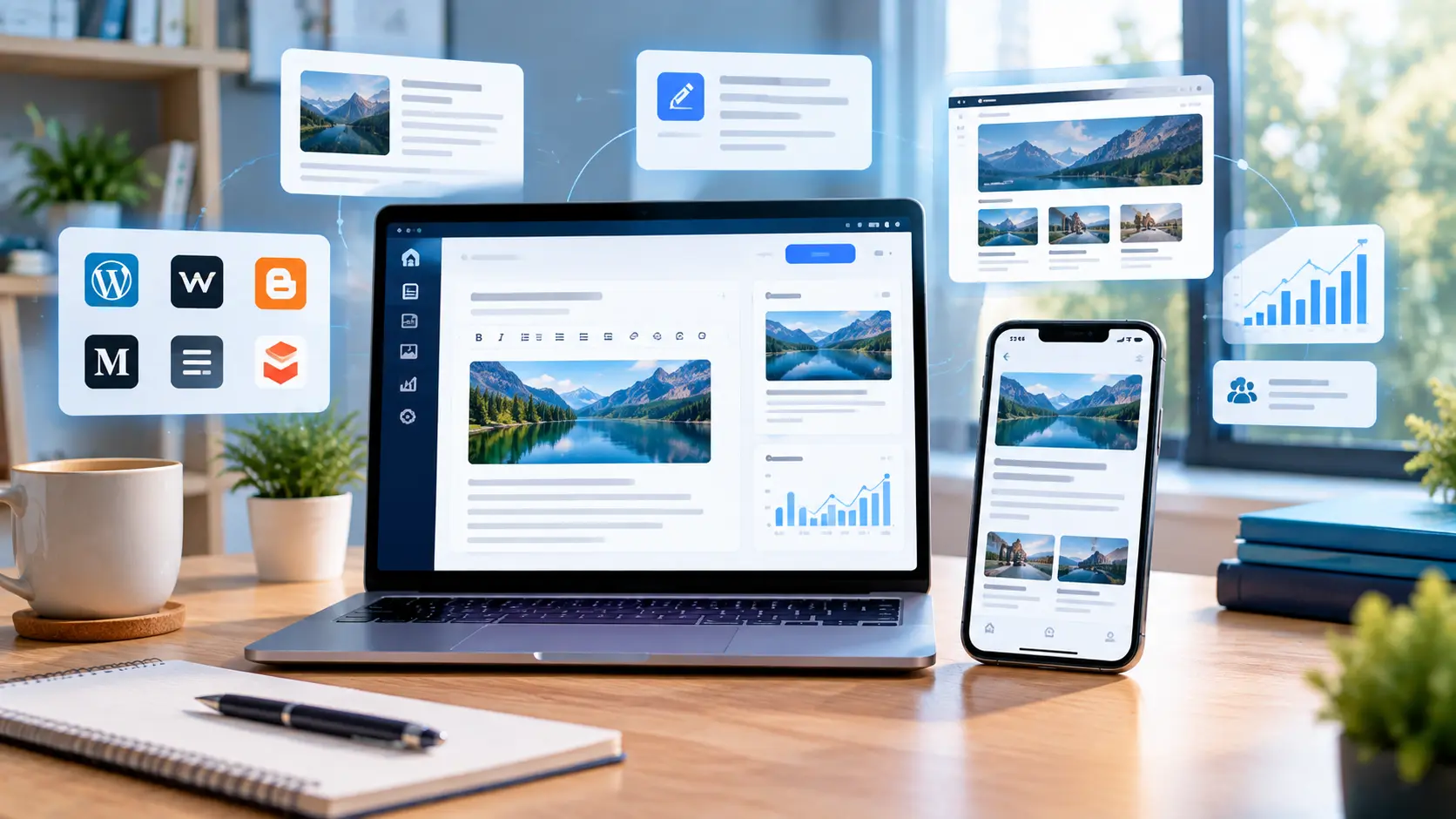
If you are looking for the best blogging site, the right choice depends on what you want to do with your blog. For most beginners who want a proper website that can grow over time, WordPress.com is a strong all-purpose option. Wix is useful if you want an easy website builder with visual design tools. Blogger is a simple choice for basic personal blogging, while Medium works well if your main goal is writing and reaching readers inside an established publishing platform. Ghost and Substack are particularly useful for publishers who want to build newsletters, memberships, or paid subscriptions. There is no single blogging platform that is perfect for everyone. The best blogging site is the one that matches your skills, budget, content type, and long-term goals.
What Is the Best Blogging Site?
Here is a quick comparison of popular blogging platforms:
| Blogging site | Best for | Main advantage |
|---|---|---|
| WordPress.com | Beginners, businesses, serious bloggers | Flexible website and strong growth options |
| Wix | Beginners who want visual design | Easy website and blog creation |
| Blogger | Simple personal blogs | Straightforward Google-backed blogging |
| Medium | Writers and article-focused publishing | Simple writing and built-in reader network |
| Ghost | Professional publishers | Websites, newsletters and memberships |
| Substack | Newsletter-focused creators | Publishing, email and paid subscriptions |
WordPress.com — Best All-Around Choice
WordPress.com is a flexible option for people who want more than a simple online diary. You can start with a free WordPress.com site and later move to a custom domain and more advanced features. WordPress.com also provides built-in SEO features, statistics, social tools and newsletter functionality. Paid plans can also support plugins, giving you access to a much wider range of website features. WordPress.com says its plugin ecosystem includes more than 50,000 plugins from the WordPress.org repository.
Best for:
- New bloggers who want room to grow
- Business blogs
- Affiliate and informational websites
- Professional content creators
- People who may need advanced website features later
One thing to remember: some advanced SEO, domain and plugin features depend on the plan you choose.
Wix — Best for Easy Website Design
Wix combines blogging with a visual website builder. Its blog tools include post scheduling, categories, multiple writers, analytics and SEO features. Wix also supports blog subscriptions and several monetization options. This makes Wix appealing if you want your blog to be part of a larger website rather than a simple collection of articles.
Best for:
- Beginners
- Small businesses
- Portfolio websites with blogs
- Creators who care about visual design
- People who prefer a drag-and-drop style website builder
Wix also offers a free starting option, while additional features and a custom domain may require an upgrade.
Blogger — Best for Simple Personal Blogging
Blogger is one of the simpler ways to start a blog. Blogger provides templates, a Blogspot address, custom-domain support, built-in analytics and an option to use Google AdSense for advertising. It can be a practical option if you want to publish personal posts without building a complicated website.
Best for:
- Personal blogs
- Beginners
- Simple writing projects
- Hobby bloggers
- Users who want a straightforward setup
Its simplicity can also be a limitation if you eventually want a highly customized website with many advanced features.
Medium — Best for Writers
Medium is designed primarily around writing and publishing. You can create drafts, format articles, publish stories and distribute them through your Medium profile. Medium also has publications where multiple writers can contribute to a shared topic or editorial brand. Medium can therefore make sense if you care more about writing than managing the technical side of a standalone website.
Best for:
- Article writers
- Personal essays
- Opinion and educational content
- Writers testing a new topic
- People who do not want to manage website infrastructure
Medium also has a Partner Program for eligible writers, although earnings depend on Medium’s rules and reader engagement rather than simply publishing an article.
Ghost — Best for Professional Publishing
Ghost is aimed at publishers and creators who want a dedicated publishing website. Ghost combines website publishing, newsletters, memberships and paid subscriptions. It also offers custom branding and themes for publishers who want more control over the appearance of their site.
Best for:
- Independent publishers
- Newsletter businesses
- Professional writers
- Membership websites
- Subscription-based publications
Ghost is more focused on publishing than being a general-purpose website builder.
Substack — Best for Blogs Built Around Email
Substack is particularly useful when your blog and email newsletter are closely connected. Substack lets creators publish articles and send them as newsletters. Its current platform also supports podcasts, video, live streams, subscriptions and other publishing formats. You can also connect a custom domain and export your subscriber list, which can be important if you are building a long-term publication.
Best for:
- Newsletter writers
- Independent journalists
- Paid-content creators
- Personal publications
- Writers who want direct email relationships with readers
How to Choose the Best Blogging Site
Instead of choosing a platform simply because it is popular, think about what you actually need.
Choose WordPress.com if…
You want a blog that could eventually become a full website. For example, imagine you are starting a technology blog. You may begin with articles but later want contact forms, newsletters, analytics, membership features or other website functionality. WordPress.com gives you a path to add those capabilities as your needs grow.
Choose Wix if…
Your priority is creating an attractive website without spending much time dealing with technical details. It can be particularly useful for a small business that wants a website, service pages and a blog in one place.
Choose Blogger if…
You simply want to start writing.
For a personal blog or hobby project, you may not need a large collection of plugins or advanced publishing tools.
Choose Medium if…
You mainly want to write articles and participate in a publishing ecosystem rather than build a completely independent website.
Choose Ghost if…
You are building a professional publication and want newsletters, memberships and subscriptions closely integrated with your website.
Choose Substack if…
Your email audience is just as important as your website. It is particularly suited to creators who want every article to work as both a web post and an email newsletter.
What Should You Look for in a Blogging Platform?
Before creating an account, check these important areas.
Ease of Use
A complicated platform can become frustrating if you are new to blogging.
Look for an editor that makes it easy to:
- Write and edit posts
- Add images
- Create categories
- Schedule articles
- Preview content
- Publish updates
SEO Features
If you want people to find your articles through Google and other search engines, SEO matters.
Look for features such as:
- Custom page titles
- Meta descriptions
- Search-friendly URLs
- Image alt text
- Sitemaps
- Mobile-friendly pages
- Internal linking options
Remember that a blogging platform cannot guarantee search rankings. Good content, useful information, site quality and many other factors affect search visibility. WordPress.com itself notes that SEO takes time and that no service can guarantee first-page rankings.
Custom Domain Support
A custom domain such as example.com generally gives a blog a more professional identity than a platform subdomain.
If you are building a business or publication, check whether your chosen platform allows you to connect or register a custom domain.
Monetization
If earning money is part of your plan, investigate the available options before committing to a platform.
Depending on the service, these may include:
- Advertising
- Affiliate marketing
- Paid subscriptions
- Donations
- Digital products
- Services
- Premium content
The exact options and fees vary between platforms.
Ownership and Portability
Think about what happens if you decide to move your blog later.
Check whether you can:
- Export your articles
- Export subscriber information where applicable
- Connect your own domain
- Move content to another platform
- Keep copies of your original media
This is especially important if you expect your blog to become a long-term business.
How to Start a Blog
Once you have chosen a platform, the basic process is simple.
Choose a Topic
Pick a subject you can write about consistently.
Examples include:
- Technology
- Travel
- Food
- Personal finance
- Education
- Fitness
- Pets
- Gaming
- Productivity
A focused topic can make it easier to build a clear identity.
Choose a Blog Name
Keep the name easy to remember and relevant to your subject. Avoid making it unnecessarily long or difficult to spell.
Select Your Blogging Platform
Compare your requirements with the platform options. If you are unsure, start with the simplest platform that gives you enough room to grow.
Create Your First Useful Articles
Do not launch with dozens of weak posts just to fill the website. Start with a few genuinely useful articles that answer questions your target readers are asking.
Set Up Basic SEO
Create clear titles, useful headings, descriptive URLs and helpful meta descriptions. Use your primary keyword naturally rather than repeating it in every paragraph.
Publish Consistently
You do not necessarily need to publish every day. A realistic schedule that you can maintain is more useful than publishing frequently for a few weeks and then stopping.
Free vs Paid Blogging Sites
A free blogging platform can be a good way to test an idea. However, a paid plan may become worthwhile when you need features such as a custom domain, additional customization, advanced SEO controls, plugins or business tools. For example, WordPress.com provides a free starting option, while custom domains and plugin installation have plan-specific requirements.
Before paying, ask yourself:
Will this feature actually help my blog?
If the answer is no, you probably do not need to upgrade yet.
Common Mistakes New Bloggers Make
Choosing a platform is only the beginning. New bloggers often make these mistakes:
- Choosing a platform based only on popularity
- Buying unnecessary features too early
- Picking a broad topic with no clear audience
- Writing only for search engines
- Ignoring mobile readers
- Using complicated blog names
- Publishing copied or lightly rewritten content
- Expecting immediate search traffic
- Forgetting to back up important content
- Focusing on design instead of useful information
A simple website with genuinely helpful articles can be more valuable than a beautiful website with nothing useful to say.
Best Blogging Site: Quick Decision Guide
If you want a simple answer:
- For an all-purpose blog: WordPress.com
- For visual website building: Wix
- For simple personal blogging: Blogger
- For article-focused writing: Medium
- For professional publishing: Ghost
- For newsletter-first blogging: Substack
These are different tools for different publishing goals, so your ideal choice depends on what you want your blog to become.
FAQs About the Best Blogging Site
What is the best blogging site for beginners?
WordPress.com, Wix and Blogger are all beginner-friendly options, but they suit different needs. WordPress.com offers more room for a blog to grow, while Wix focuses heavily on visual website building and Blogger keeps the basic blogging experience simple.
Which blogging site is best for SEO?
There is no blogging platform that automatically guarantees better Google rankings. WordPress.com provides built-in SEO features and additional SEO tools on eligible plans, but your content quality, site structure, technical setup and competition also matter.
Can I start a blog for free?
Yes. Several platforms offer ways to start without paying for a full website plan. WordPress.com has a free option, Blogger offers a Blogspot address, and Wix lets users start a blog for free.
Is Medium better than having your own blog?
They serve different purposes. Medium is convenient for publishing and accessing an existing reader ecosystem, while a standalone website gives you greater control over your site’s identity and structure.
Can I make money from a blog?
Yes, depending on the platform and your business model. Possible methods include advertising, affiliate marketing, digital products, services, memberships and paid subscriptions. The available tools and costs vary by platform.
Should I buy a custom domain for my blog?
If you plan to build a long-term brand, a custom domain is worth considering. It gives your blog a permanent, professional web address and makes it easier to build a recognizable identity.
Conclusion
The best blogging site depends on your goals.
For a flexible blog that can grow into a larger website, WordPress.com is a strong option. Wix is useful for visually focused websites, Blogger keeps things simple, Medium suits writers, Ghost is designed for professional publishing, and Substack is particularly useful when newsletters and subscriptions are central to your strategy. Before choosing, think beyond your first few posts. Consider your content, audience, SEO needs, domain, monetization plans and how much control you want over your website. The best platform is ultimately the one that lets you publish useful content consistently without creating unnecessary technical or financial problems.